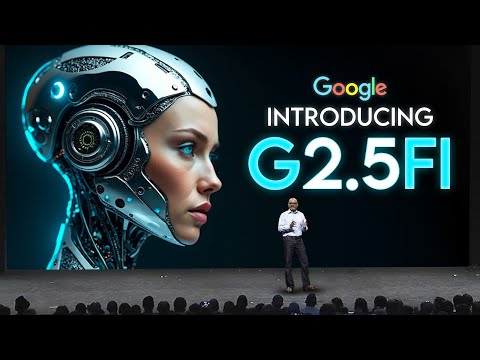
Google has once again raised the bar in the realm of artificial intelligence with the introduction of NanoBanana, officially known as Gemini 2.5 Flash Image. This revolutionary AI model promises to transform the landscape of image generation, delivering enhancements in speed, consistency, and creative capabilities. Whether you’re a developer, marketer, or creative professional, the advancements brought by Gemini 2.5 are poised to reshape how you envision and implement AI-driven imagery. In this blog post, we will delve deep into the key features, improvements, and potential applications of this cutting-edge technology.
Introduction to NanoBanana: The Gemini 2.5 Flash Image
Google recently introduced the world to NanoBanana, formally named Gemini 2.5 Flash Image. This advanced AI model has been lauded for its impressive capability to understand the physical world, generate consistent character imagery, and deliver superior image production speed while maintaining low costs. The evolution from earlier models is stark, particularly in addressing prior issues related to image quality and creative limitations.
Key Features and Improvements of Gemini 2.5
One of the pivotal aspects of Gemini 2.5 lies in its native image generation, which earned positive reception for its low latency and seamless integration. Initial feedback highlighted the need for better image quality and creative control, both of which have been significantly improved in this iteration. The result is a model that makes its predecessors seem outdated, showcasing refined performance and heightened output fidelity.
Character Consistency and Narrative Applications
Gemini 2.5 sets itself apart with its ability to maintain character consistency across various prompts, a feature vital for narrative and commercial applications. Whether for storytelling or compiling product catalogs, the model ensures that characters retain their identity across multiple scenarios. This advancement addresses a common challenge faced by older AI models, opening new possibilities in the creation of cohesive and immersive narratives.
Advanced Prompt-Based Editing
The introduction of advanced prompt-based editing allows users to make intuitive changes without manual adjustments. This functionality enables users to effortlessly implement modifications, such as background removal or color alterations, by simply stating their desired changes. The AI’s deep understanding of objects ensures realistic and accurate edits, making tasks like adjusting a smartphone’s appearance from various angles seamless.
Real-World Understanding and Accuracy
Powered by an extensive knowledge base, Gemini 2.5 excels in understanding the physical world. It accurately renders objects, complete with appropriate interfaces and environmental contexts. This capability marks a substantial leap from older diffusion models, which required extensive training to achieve similar results.
Creative Capabilities and Performance Benchmarks
Gemini 2.5 demonstrates remarkable creativity, capable of generating imaginative and abstract images based on unconventional prompts. Despite some limitations in ultra-fine resolution, the model responded effectively to whimsical and bizarre image requests, delivering compelling and contextually relevant outputs. Performance benchmarks reveal that Gemini 2.5 surpasses its rivals in categories such as character preservation, object manipulation, and creative task execution, often completing tasks in under 40 seconds.
Practical Applications and Future Prospects
The practical applications of Gemini 2.5 are vast. For instance, it can transform historical images into modern interpretations, refresh vintage advertisements while preserving their essence, and generate visually consistent storybook illustrations. Integration into Google’s AI Studio allows developers to explore these capabilities without a financial commitment, fostering wide adoption and innovation. Looking ahead, there is speculation about a higher-resolution variant, Gemini 2.5 Pro, which could compete with major upcoming releases from other developers, indicating Google’s commitment to maintaining its AI leadership.
Overall, the introduction of Gemini 2.5 Flash Image, also known as NanoBanana, represents a significant milestone in image generation technology. Its advancements promise to revolutionize the tools available to creative professionals, signaling a noticeable shift in the capabilities of AI in the creative process.