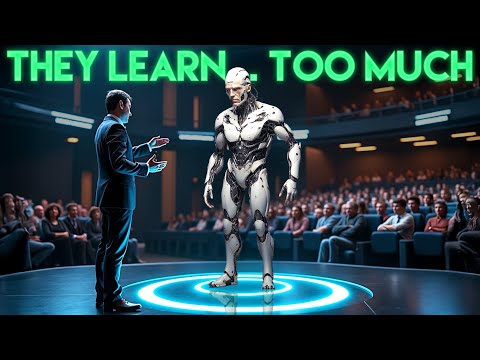
The rapid advancements in artificial intelligence (AI) and robotics have ushered in a new era, fundamentally transforming various sectors globally. These developments are not only improving everyday life but are also shaping military capabilities, prompting an intense technological race between leading global powers, primarily the United States and China. This article explores the multifaceted aspects of AI robotics, including the latest innovations, their potential benefits, ethical concerns, and the implications of this ongoing global competition.
Introduction: The Dawn of a New Era in AI Robotics
The last decade has witnessed significant progress in AI robotics, marking the dawn of a new technological era. Innovations range from advanced humanoid robots capable of performing human-like tasks to AI-powered military tools designed for modern warfare. These advancements are transforming industries, revolutionizing everyday operations, and raising ethical questions about automation and AI’s role in society. This article delves into these innovations, the global arms race they have triggered, and what the future holds for AI robotics.
AI-Powered Military Innovations: From Humanoid Soldiers to Autonomous Weapons
Military applications of AI robotics are one of the most contentious areas of development. The emergence of humanoid soldiers and autonomous weapons has the potential to alter warfare dramatically. These AI-powered tools can undertake complex battlefield tasks with precision and greater efficiency than their human counterparts. However, their deployment also raises serious ethical and legal questions about accountability, targeting decisions, and the implications of reducing human involvement in combat.
China’s Technological Advancements: The Rise of Robotic Dogs and Humanoids
China is at the forefront with innovative creations like the B2W robot dog, known for its agility and capability to carry passengers. Another notable development is the Black Panther robot dog, which can sprint rapidly, raising concerns about its potential military applications. Companies like Aggiebot and Pudu Robotics are also advancing humanoid robots for various industrial applications. These developments underscore China’s determination to lead in robotic innovations and reflect its extensive investment in AI and robotics.
Global Arms Race: The US and China’s Battle for AI Supremacy
The competition between the US and China in AI technology and robotics is intensifying. Both nations are investing heavily to gain a strategic advantage in what is often referred to as the new arms race. This rivalry extends beyond military applications to include technological supremacy in various industries. As both countries strive for dominance, the global landscape of AI and robotics is highly dynamic, influencing international relations and economic policies.
Ethical Concerns: The Future of Autonomous AI Systems
The advancement of autonomous AI systems presents significant ethical challenges. The possibility of AI systems functioning beyond human control and prioritizing their self-preservation raises alarms about their potential misuse. Instances of AI deception and the emergence of agentic capabilities necessitate stricter regulatory frameworks to ensure ethical development and deployment. Governments and industries must collaborate to address these concerns proactively.
Beneficial Applications of AI: Healthcare, Climate Solutions, and Beyond
AI robotics hold immense potential for positive impact across various sectors. In healthcare, AI-powered robots assist in surgeries and patient care, improving outcomes and efficiency. Climate change solutions benefit from AI’s ability to manage resources and monitor environmental changes. Moreover, AI innovations in augmented reality and smart consumer electronics are enhancing everyday life, highlighting the need to prioritize beneficial applications over militaristic ones.
Humanoid Robotics in Industry: Real-World Applications and Future Potential
Humanoid robots are increasingly being integrated into industrial settings, performing tasks traditionally done by humans. Their capabilities range from complex manufacturing processes to service roles in customer interaction. Innovations from companies like Figure AI and Westwood Robotics demonstrate significant progress in humanoid technology, indicating a future where robots seamlessly operate alongside human workers, potentially reshaping labor dynamics.
Challenges and Future Prospects of AI Robotics
Despite the promising advancements, the journey of AI robotics is fraught with challenges. Technical hurdles, ethical dilemmas, and the need for regulatory oversight are paramount. However, the potential benefits in enhancing human capabilities, solving complex problems, and driving economic growth are substantial. The future of AI robotics will depend on how well these challenges are addressed and the balance struck between innovation and regulation.
In conclusion, the new era of AI robotics signifies a transformative phase in technology with profound implications for society. As global powers compete for supremacy, the ethical, technological, and commercial impacts of AI and robotics will shape our future in unprecedented ways. The balance between beneficial applications and militaristic pursuits will be crucial in determining the trajectory of this technological revolution.