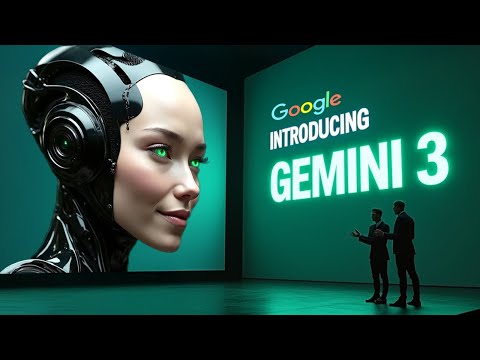
Artificial Intelligence (AI) continues to evolve at a breakneck pace, pushing the boundaries of what machines can achieve and how they interact with the world. From pioneering tech giants to nimble open-source communities, the race to create more sophisticated and autonomous AI systems is heating up. Google’s latest model, Gemini 3, and the open-source OV model are not just incremental upgrades but signify leaps toward more integrated, intelligent, and versatile AI ecosystems. In this context, we explore the significant players, groundbreaking innovations, and the far-reaching implications on various industries and human roles.
Introduction to Recent AI Advancements
The realm of AI is witnessing a relentless drive towards greater sophistication and applicability. Leading tech companies are consistently rolling out cutting-edge models designed to surpass existing benchmarks. Alongside these corporate advancements, the open-source community is making surprising strides in democratizing AI capabilities. This convergence of efforts is setting the stage for a future where AI will not just augment human activities but significantly transform them.
Google’s Gemini 3: Redefining AI Capabilities
One of the most highly anticipated advancements is Google’s new AI model, Gemini 3. According to initial reports, Gemini 3 is excelling in various complex tasks, from sophisticated coding to generating hyper-realistic graphics. A standout feature is its enhanced multimodal understanding, allowing seamless interactions between text and visual inputs. What sets Gemini 3 apart is its multiple versions aimed at different user needs. The Pro version focuses on advanced reasoning and long tasks while the Flash version prioritizes speed for real-time applications. Unique functionalities like ‘deep thinking’ for multi-step reasoning and ‘agent mode’ for browser control make Gemini 3 a pivotal step towards creating autonomous agents. Google’s staggered rollout, starting with enterprise users and eventually reaching consumers by early 2026, aims to fine-tune this model for broader adoption, potentially impacting over 500 million users globally.
The Rise of Open-Source AI Models
Not to be overshadowed, the open-source community has introduced a groundbreaking model named OV. This model stands out for its ability to generate short video clips complete with synchronized audio, all derived from text prompts. This technological leap enables creators to produce animated content directly from text, an innovation that speaks volumes about the power and accessibility of open-source AI. Although still experimental, OV represents a significant stride in making advanced AI capabilities available to a broader audience.
AI’s Impact on Human Labor
As AI systems become more capable, their impact on human labor is increasingly scrutinized. OpenAI’s recent study indicates that AI can outperform humans in nearly half of the evaluated tasks, especially in roles like retail clerks and software developers. However, it’s important to note that creative and leadership positions remain relatively insulated from automation. These roles require human attributes such as judgment, emotion, and storytelling that AI cannot yet replicate satisfactorily. Opinions vary on the long-term implications, with some, like OpenAI CEO Sam Altman, predicting that AI could eventually surpass human leadership roles, while others like IBM’s CEO take a more conservative stance, insisting that many roles will still need human oversight.
The Future of Autonomous AI Ecosystems
The ultimate vision for AI development is to create autonomous ecosystems capable of reasoning and executing real-world tasks without human intervention. As the technology advances, these ecosystems are expected to integrate seamlessly into various facets of life and industry. This holistic approach to AI development promises not just improvements in individual tasks but transformative changes in how businesses operate and services are delivered.
In conclusion, the future of AI is bright, complex, and rapidly unfolding. Innovations from corporations like Google and contributions from the open-source community ensure a diverse and dynamic evolution of this technology. As AI becomes more integrated into our lives, its impact on industries and human roles will be profound and far-reaching. Whether it’s enhancing productivity, redefining creative processes, or establishing autonomous ecosystems, the advancements in AI technology herald a new era of possibilities.