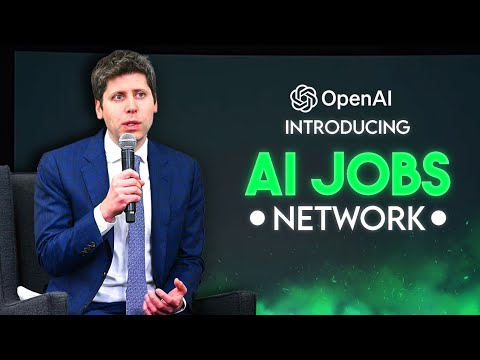
In an era where artificial intelligence (AI) is transforming industries at an unprecedented rate, OpenAI has taken a monumental step by introducing an AI-powered hiring platform designed to streamline the process of connecting employers with AI-skilled professionals. Modeled after platforms like LinkedIn, this innovative initiative is not just another job listing site. It aims to bridge the significant skills gap in the AI sector by offering certification programs and fostering key partnerships with major corporations, all of which could reshape the future job market.
Introduction to OpenAI’s AI-Powered Hiring Platform
OpenAI’s new platform is poised to revolutionize the job market by providing a space where employers and employees proficient in AI can effortlessly connect. The platform features an intricate certification program, allowing workers to earn credentials that validate their AI skills. OpenAI’s ambitious goal is to certify 10 million Americans by 2030, reflecting its commitment to fortifying the American workforce with essential AI capabilities. This certification process is vital not just for workers looking to transition into tech roles, but also for employers in dire need of qualified staff to help modernize operations.
Key Partnerships and Collaborations
A significant aspect of this platform is its strategic partnerships. OpenAI has secured Walmart as a key partner, offering free AI certifications to its employees, thereby spotlighting the increasing importance of technology in retail. Furthermore, collaborations with acclaimed companies like John Deere, Accenture, and various local business associations are on the horizon. These alliances aim to enhance operational efficiencies and drive modernization efforts across myriad sectors. By partnering with industry leaders, OpenAI ensures that their certified professionals have opportunities awaiting them immediately upon certification.
Future Prospects and Economic Impact
As AI continues to permeate various industries, the economic impact of an AI-proficient workforce cannot be overstated. This initiative aligns seamlessly with national goals on economic growth and progress. The presence of Sam Altman, OpenAI’s CEO, at a White House tech event underscores the political support for AI education and certification. The federal government recognizes the value in equipping the workforce with AI skills, viewing it as a pathway to sustained economic development and a competitive edge in the global market.
Addressing Job Displacement and New Opportunities
With the advent of AI, there is an inevitable conversation surrounding job displacement, especially in entry-level positions. However, OpenAI’s platform eyes the horizon of endless possibilities that AI can create. By providing certification programs, the initiative aims to prepare workers for the AI landscape’s emergent roles. While some traditional jobs may indeed be phased out, new opportunities centered around AI and tech solutions are likely to burgeon, offsetting the negative impacts of job displacement.
Political and Economic Context
The unveiling of OpenAI’s hiring platform occurs within a supportive political climate championing technological advancement as a driver for economic growth. The federal government’s alignment with these goals fosters an environment ripe for OpenAI to push forward its vision. Moreover, investments from other tech giants, like Microsoft’s $4 billion pledge to facilitate AI in education, echo a collective aspiration to integrate AI into the core of economic strategies.
Challenges and Internal Strife at OpenAI
Despite the promising outlook, OpenAI is not immune to internal challenges. Reports suggest that the organization is grappling with internal strife, including paranoia about potential conspiracies from competitors and former allies. These issues have escalated to legal actions aimed at uncovering such plotlines, hinting at a tumultuous atmosphere behind the scenes. This internal discord could pose significant hurdles as OpenAI strives to maintain its focus and achieve its ambitious objectives.
As we move forward in an AI-driven world, OpenAI’s new platform holds the potential to be a game-changer in workforce development. By bridging the skills gap, fostering key collaborations, and aligning with economic and political goals, this initiative could well usher in a new era for the AI-proficient workforce, transforming industries and economies alike.