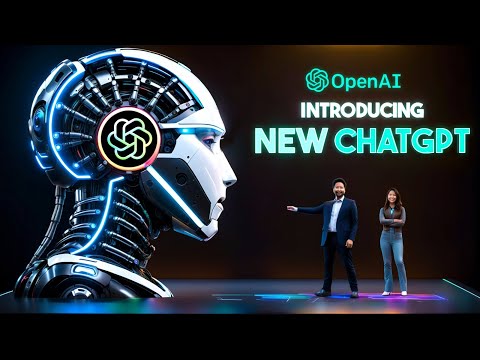
Introduction to GPT-40: OpenAI’s Innovative Leap
In a groundbreaking event this spring, OpenAI unveiled their latest marvel in artificial intelligence, the GPT-40. Characterized by its advanced capabilities and user-friendly approach, GPT-40 promises to redefine the standards of AI interactions. With accessible features that cater to the general public, this model stands out by eliminating the need for a subscription, marking a significant step toward democratizing technology. This article delves into the various pioneering aspects of GPT-40, highlighting its unmatched abilities in voice, text, and vision capabilities, as well as its potential to transform virtual assistance and online learning.
Multimodal Capabilities: Voice, Text, and Vision
One of the standout features of GPT-40 is its multimodal capabilities encompassing voice, text, and vision. This multi-functionality allows users to engage in seamless conversations with the AI, with minimal latency that ensures real-time responses. The model can understand and generate human-like text, making for natural and engaging discussions. Additionally, GPT-40’s vision abilities include interpreting and generating images, further extending its utility in various applications. This holistic approach of integrating multiple modes of communication makes GPT-40 not just an incremental upgrade but a substantial evolution in AI technology.
Emotional Intelligence and Real-Time Translation
Beyond its multimodal prowess, GPT-40 also boasts remarkable emotional intelligence and real-time translation capabilities. It is designed to understand and express emotions, adding a layer of empathy and personalization to interactions. This feature is particularly beneficial for applications requiring a nuanced understanding of user sentiments, such as customer service and mental health support. Additionally, GPT-40’s real-time translation eliminates language barriers, allowing for instant, accurate translation across diverse linguistic landscapes. These advancements highlight GPT-40’s potential to serve as a global connector, bridging gaps in communication and understanding.
Demonstrations and Practical Applications
During its launch event, OpenAI showcased GPT-40 through a series of demonstrations that highlighted its swift and intelligent performance. Examples included real-time conversation demos, where the AI provided coherent and contextually appropriate responses. Another intriguing demonstration involved personalized advice based on the analysis of breath sounds, underscoring the model’s potential in health-related applications. Furthermore, the introduction of a user-friendly desktop version of ChatGPT makes these sophisticated features easily accessible to a broad audience, enhancing the user experience without requiring technical expertise.
Impact on Virtual Assistance and Online Learning
GPT-40 is poised to revolutionize both virtual assistance and online learning. In the realm of virtual assistance, the model’s advanced capabilities mean it can handle more complex queries, provide swift responses, and offer personalized interactions that make virtual assistants more efficient and human-like. For online learning, GPT-40 can serve as an intelligent tutor, offering real-time assistance, personalized learning experiences, and translating educational content to make learning accessible to non-native speakers. The implications of these advancements are profound, offering new dimensions of support and engagement in both fields.
In conclusion, GPT-40 by OpenAI represents a monumental leap in AI technology, blending voice, text, and vision capabilities with emotional intelligence and real-time translation. Its introduction promises to transform various sectors, including virtual assistance and online learning, pushing the boundaries of how we interact with AI. As OpenAI continues to democratize access to advanced AI, the possibilities for enhanced, seamless interactions are virtually limitless.