The field of Artificial Intelligence (AI) continues to evolve at a breakneck pace, with recent developments signaling revolutionary changes in how we interact with technology and each other. From ChatGPT’s innovative new study mode that transforms the way students learn, to AI agents successfully passing CAPTCHA tests designed to distinguish them from humans, these advancements warrant a closer look. As we delve deeper into the world of AI, examining the ethical debates surrounding the rapid progress of models like GPT-5 and the shifting priorities in talent recruitment at major tech companies like Meta, it’s clear that we are at a pivotal moment. This article explores these groundbreaking developments and their profound implications for the future of education and technology.
Introduction to AI’s Latest Developments
Artificial Intelligence is no longer a futuristic concept but a present reality that continues to shape various facets of our lives. Recent advancements have pushed the boundaries of what AI can achieve, sparking both excitement and concern. Key topics such as ChatGPT’s innovative study mode, AI’s ability to pass CAPTCHA tests, and the fast-paced development of GPT-5 bring up important discussions regarding the ethical considerations and future applications of AI technologies. This article aims to provide a comprehensive overview of these pivotal developments.
ChatGPT’s Innovative Study Mode
One of the most notable advancements is the introduction of a new study mode in ChatGPT. This mode transforms the AI from a simple answer-providing tool into an interactive learning assistant. Unlike traditional methods, the study mode engages users with a structured, step-by-step instructional approach. It assesses the learner’s current understanding and tailors explanations to their needs. This method aims to combat academic cheating by fostering a responsible educational environment. However, it also raises questions about whether students will leverage this tool effectively or bypass it for direct answers, pressing educational institutions to rethink assessment methods in the age of AI.
AI Passes CAPTCHA Test – Implications and Concerns
In another significant breakthrough, an AI agent has managed to pass a CAPTCHA test, which is typically used to differentiate between humans and bots. This achievement underscores the growing capabilities of AI and its potential to perform tasks traditionally reserved for humans. While this marks a significant progression in AI technology, it also raises ethical concerns. If AI can easily navigate tests designed to block bots, it calls into question the future effectiveness of such security measures. The implications of this development extend to cybersecurity, online interactions, and the trustworthiness of digital platforms.
GPT-5: Rapid Advancements and Ethical Oversight
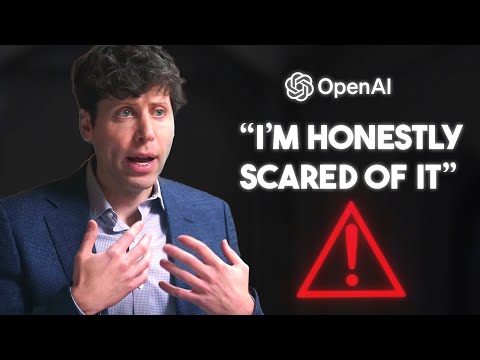
OpenAI’s CEO, Sam Altman, has likened the testing of GPT-5 to the Manhattan Project, signifying the model’s rapid advancements and the complexities that accompany it. Altman voices concerns about the speed at which GPT-5 is evolving and the lagging regulatory frameworks that aim to govern such technological progress. This candid admission highlights the need for better oversight and ethical considerations as AI capabilities continue to expand. The ethical debate surrounding GPT-5 encompasses issues of accountability, transparency, and the possible societal impacts of such advanced technologies.
Meta’s Challenges in AI Talent Recruitment
Mark Zuckerberg’s Meta has faced significant challenges in recruiting top AI talent. Notably, offers from Meta have been unanimously rejected by researchers at Thinking Machines Lab, despite the offers amounting to hundreds of millions. This phenomenon points to a shift in priorities where ethical alignment and trust are valued over financial incentives. Professionals in the AI field are increasingly concerned about the direction of companies under leadership like Zuckerberg’s, reflecting broad sentiments within the tech community about ethical considerations and corporate responsibility.
Other Notable AI Advancements in the Tech Industry
Beyond these headline developments, there have been numerous other AI advancements across the tech industry. Ideogram’s character-generating tool enhances workflow for creators by enabling consistent character creation from a single image. Microsoft’s new co-pilot mode in Edge makes research and browsing more efficient. Google has expanded its AI capabilities to accommodate PDF uploads and introduced planning tools like Canvas for organized tasks. Nvidia’s Llama Neatron Super 1.5 has achieved significant benchmarks in efficiency and accuracy, and Adobe has updated Photoshop with various AI enhancements to aid creators in their design processes. These advancements collectively signify a broader trend of integrating AI more deeply into both creative and professional workflows.
Conclusion: Navigating the Future of AI
The rapid advancements in AI technology bring both promising opportunities and complex challenges. Innovations like ChatGPT’s study mode, AI’s ability to pass CAPTCHA tests, and the development of GPT-5 push the boundaries of what AI can achieve, but also necessitate critical ethical and regulatory oversight. The shifting priorities in AI talent recruitment and the broader tech industry’s developments reflect a growing awareness of the need for responsible AI use. As we navigate the future of AI, a balance must be struck between embracing technological progress and addressing the ethical implications that come with it.