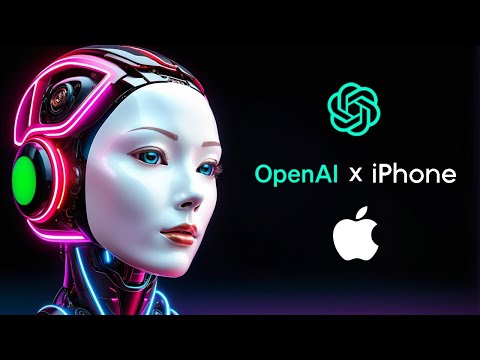
In an era where technology continues to break new ground, Artificial Intelligence (AI) stands out as a cornerstone of innovation and debate. This article delves into the latest advancements and regulations in AI, providing a comprehensive view of how this technology is evolving. From academia to the corporate world, and right through to legislative halls, we uncover the impact and direction of AI technologies. Join us as we explore key innovations by Shungu AI and Síngua University, Apple’s strategic AI partnerships, Google’s push towards more accessible AI photography, Microsoft’s incorporation of AI in Windows 11, and Italy’s pioneering approach to AI regulation.
Chapter 1: Academic and Corporate AI Developments
The collaboration between Shungu AI and Síngua University has led to the development of a new AI model, dubbed VDU, which promises to revolutionize how we interact with digital interfaces. This model aims to enhance user experience by providing more intuitive responses, making technology more accessible to the general population. In the corporate realm, giants like Apple, Google, and Microsoft are not left behind in the AI race. Apple’s exploration of AI partnerships and features signifies its intention to infuse AI into its product ecosystem, optimizing user experience with smarter, more contextual interactions.
Google, on the other hand, continues to push the boundaries of AI in photography and accessibility. Google’s enhancements in AI photography aim to democratize professional-level photo editing, making it accessible to all users. Furthermore, their initiatives in improving accessibility through AI underscore a commitment to making technology usable for everyone, regardless of their physical abilities.
Microsoft’s AI Explorer feature for Windows 11 is yet another testament to how AI integration can enhance computational experiences. This feature aims to streamline searches and improve productivity, embodying Microsoft’s forward-thinking approach to embedding AI functionalities in everyday computing.
Chapter 2: Legislative Framework and National Initiatives
Italy’s pioneering AI laws and initiatives represent a significant leap towards establishing a legal framework around the use of AI. Recognizing the potential and pitfalls of AI, Italy has embarked on creating regulations that not only foster innovation but also ensure ethical considerations are at the forefront of AI development and deployment. These laws are poised to set a precedent for how countries globally can approach AI governance, balancing progress with protection.
Chapter 3: The Future of AI – Trends and Predictions
The future of AI holds incredible promise, marked by trends that forecast an even greater integration of AI into daily life and industry. Innovations like the VDU model from Shungu AI spotlight the ongoing march towards more intuitive AI, aimed at simplifying human interaction with technology. Partnerships between giants like Apple and AI developers hint at a future where AI functionalities become a staple in consumer electronics, refining user experiences to unprecedented levels.
Legislatively, Italy’s AI initiatives may prompt a wave of global regulations tailored to navigate the complex terrain of AI ethics, privacy, and governance. As AI continues to evolve, we can anticipate a landscape where innovation goes hand in hand with responsible regulation, ensuring AI benefits humanity while safeguarding against its potential risks.